Cut Deep or Ship Dull: The Gem-Cutter's Guide to Killing Features on Purpose

Photo: gem cutter precision cutting diamond at workbench, close-up hands and tools, via images.stockcake.com
A master gem cutter begins with an uncomfortable truth: a finished stone is defined less by what is kept than by what is removed. Rough material typically loses half or more of its weight on the way to brilliance. The cutter's skill lies in knowing which facets to sacrifice so that light, entering the stone, has nowhere to go but out.
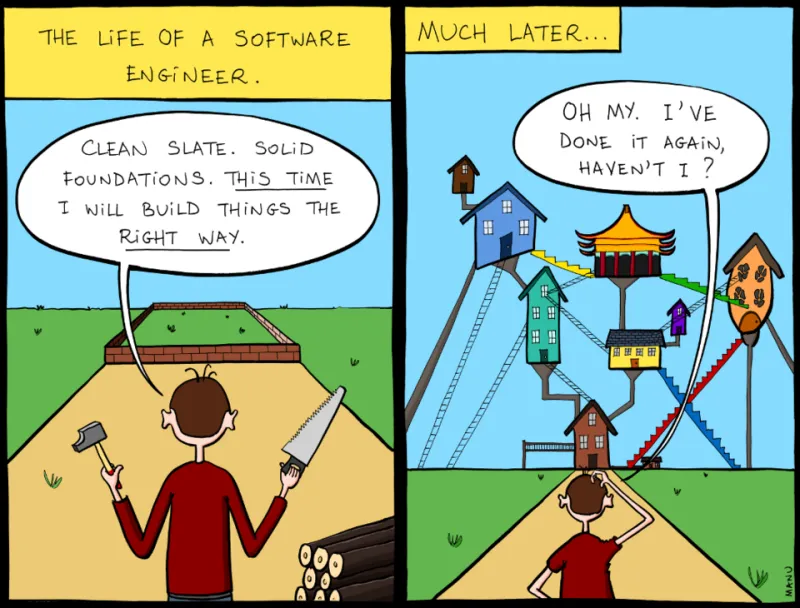
Enterprise product teams operate by the opposite doctrine. Features are added to win deals, quiet objections, and check boxes on procurement questionnaires. Removal is treated as loss. Over a decade, the roadmap becomes a geological record of every negotiation ever conceded — and the product becomes, like an uncut stone, technically rich and optically dead.
How Enterprise Products Lose Their Light
The mechanism is rarely malice. It is the arithmetic of enterprise selling. A single large prospect requests a capability; the deal is worth more than the engineering cost; the feature ships. Repeat across dozens of prospects and you have a platform that serves everyone's exception and no one's workflow.
The costs compound quietly. Every retained feature carries maintenance burden, onboarding complexity, support surface, and cognitive load for users who must navigate a settings maze to reach the ten percent of the product they actually need. Sales cycles lengthen because demos take longer to land. Analyst evaluations note that the product "does everything but excels at nothing" — a phrase that functions as a verdict.
A Cutting Framework: The Four Questions
Before removing anything, subject each candidate feature to a disciplined interrogation.
1. Usage versus positioning. Is this feature used by customers, or merely cited by sales? Features with high demo value and near-zero usage logs are the most seductive and the most corrosive. Instrument actual engagement before deciding.
2. Strategic center of gravity. Does this capability sit at the core of what your product should be best in the world at, or at the periphery? A data platform's ingestion pipeline is core; its half-finished marketing-automation module probably is not.
3. Cost of removal versus cost of retention. Model both honestly. Retention costs include maintenance, security patching, documentation, and support tickets — not just hosting. Removal costs include contractual obligations, customer goodwill, and possible churn. Quantify rather than intuit.
4. Reversibility. Some features can be sunset into a partner integration, an API, or a paid add-on. Full deletion is not always required; repositioning often is.
Features that fail the first two questions and cost more to keep than to cut are your rough. Remove them.
Telling Enterprise Clients Without Losing Them
The communication challenge is real: enterprise contracts carry expectations of continuity, and American procurement teams are famously allergic to surprises. Three practices de-risk the conversation.
Announce with a horizon, not a deadline. A twelve-month deprecation runway with documented migration paths signals respect, not abandonment.
Lead with the sharpened product. Frame the removal as what it is — a reinvestment in the capabilities that matter. Show the roadmap of what the reclaimed engineering capacity will build.
Offer a dignified exit ramp. For features with a loyal minority, an API export, a partner handoff, or an extended-support tier converts a potential defection into a managed transition.
Handled this way, feature removal frequently strengthens enterprise relationships. Clients notice vendors who make hard strategic decisions and communicate them like adults.
The Brilliance Dividend
Teams that cut deliberately report a consistent pattern: the product becomes easier to sell, faster to onboard, and cheaper to run — and, counterintuitively, the removed features are rarely missed by the customers who mattered. The ones who leave were paying you for breadth you could not sustain anyway.
A roadmap is not a museum. Every item on it should earn its place by refracting value toward the user, not by surviving another quarter of committee inertia. Cut with intent. The light will follow.